Nova Scotia wineries have spent the last six months watching and waiting patiently as their vines have gone from pretty little flower buds to full, lush, heavy bunches.
Winemakers all over the globe live by the age-old saying, “Nothing worthwhile comes easy.” However, here in Nova Scotia, this iteration holds especially true, as the same conditions that make growing grapes here rather tricky are also what makes our distinctive award-winning wine.
The harvest season is a memorable time for farmers; it’s a cause for celebration. When the connection to the earth and the growers’ hard work and dedication are partnered with Mother Nature’s gifts, or tricks depending on how the season goes, to reward our communities with premier products.
Nova Scotia’s cool climate gives winemakers a small window of opportunity to ripen grapes; this helps them develop that refreshing Nova Scotia flavour and irresistible aroma.
Preparation for harvest starts as early as August, but the first grapes (those used for sparkling wines) typically don’t get picked until later in September. At Avondale Sky, the first grapes to come in are Petite Milo. In October, they move onto early ripening whites for Nova Scotia’s signature wine, Tidal Bay. Reds are generally last, but they are not alone, as Riesling is also very late-ripening. Harvest season can go on until November and December or January for the Icewine harvest.
We asked Jürg Stutz, Head Winemaker at Grand Pré, and Pete Smits, Vineyard Manager at Avondale Sky, to share what the harvest season means.
“It is busy and sometimes quite stressful, yet it is a wonderful time of the year, and we can enjoy the literal fruit of our labour,” says Jürg Stutz. For Pete Smits, it is an exciting yet nerve-wracking time of year, “Like watching all your kids grow up and leave home each and every year.”
“Having enough grape pickers lined up for when things start to happen is crucial for a successful harvest,” says Jürg Stutz. Grand Pré has approximately 20 pickers and three to four people in the cellar production, while Avondale Sky requires a crew of 8-12.
Along with the crew, wineries must also ensure that their labs are fully stocked with all necessary supplies such as yeast, nutrients, cleaning supplies, and analytical tools like refractometers (a device that measures the grape juice’s sugar content).
The notion of harvesting grapes may sound picturesque, but it is challenging. It requires long days that are physically demanding on your body.
A typical harvest day in Nova Scotia wine has the harvest crew come in for 7:30 AM to pick grapes, while the cellar crew preps the equipment. Once the grapes arrive at the cellar, they are immediately crushed and pressed, and the juice is transferred to the holding tank. One press load can hold about two tonnes of grapes, and it takes about three hours to complete a press cycle. When the press cycle is complete, the press is emptied, rinsed and prepared for the next load. Crews will work 16-hour days during harvest, as they typically process about four to five loads a day.
Knowing the work and passion that goes into each bottle of Nova Scotia wine makes it all the more delicious! Want to be a part of the action?
Here are three reasons to book a trip this season to Canada’s Coolest Wine Region:
1. Fall Foliage
We all admire the leaves changing colour on the trees during fall, and the same mesmerizing phenomenon occurs in vineyards as well. Fun fact, with an aerial view you can even see the shifts in the vineyard’s soil composition based on the different shades of colour.

2. Fresh off the Vine
There’s something special about being able to taste grapes right off the vines before they become wine. As you snack, try closing your eyes and taste what similarities the grape has with your favorite NS wine!

3. What Grows Together, Goes Together
The fall is harvest time for an abundance of excellent local crops, and many of the wineries have fantastic restaurants on-site where you can enjoy a fall feast. Le Caveau at Grand Pré is nationally recognized for its exquisite use of local foods in their cuisine. To take advantage of Nova Scotia’s successful harvest season, Jürg Stutz loves to get out and enjoy the blueberries and raspberries before committing to the grape harvest.
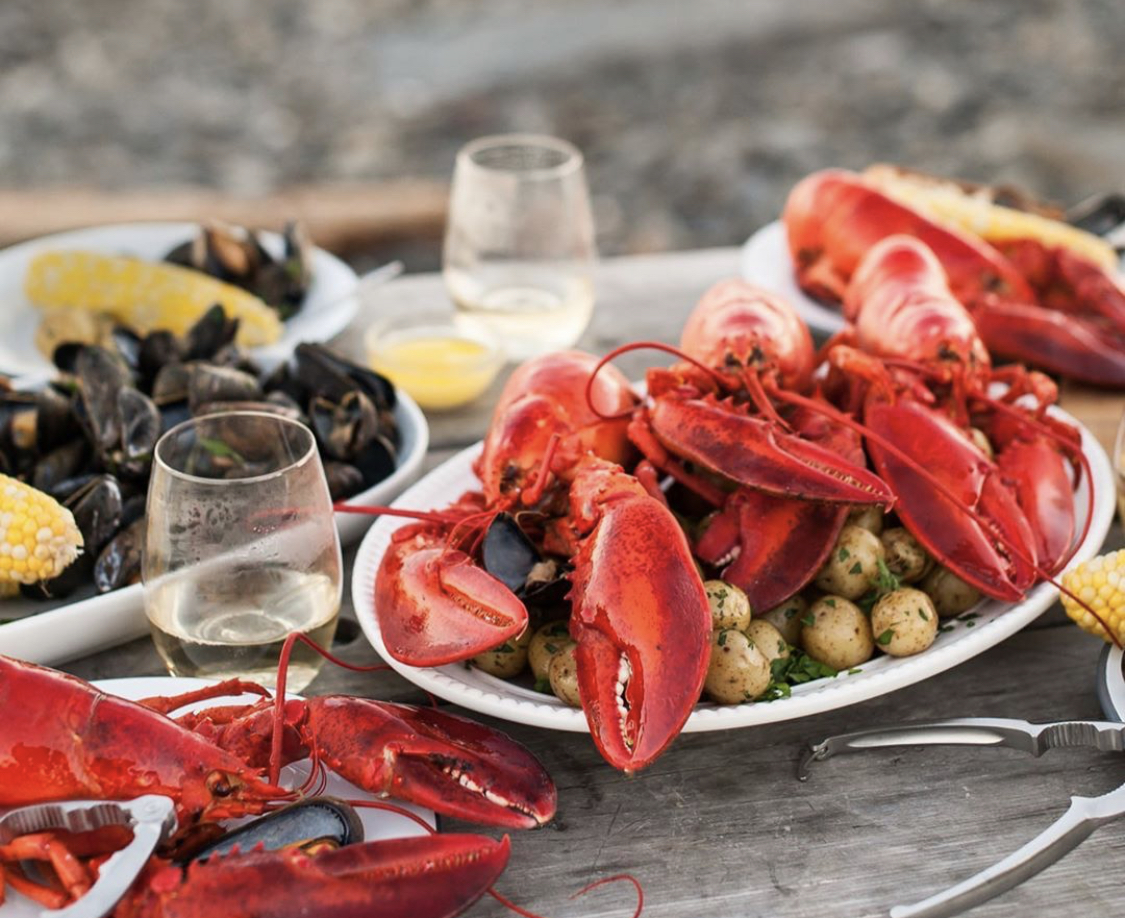
Enjoy delicious locally-inspired cuisine while savouring a glass of award-winning wine. From fresh seafood to local charcuterie and cheese, the perfect wine and food pairing can be found in Nova Scotia’s wine country.